

5 Tips to Make Better Food Choices
Have you ever considered the environmental impact your food choices have on the world? I went from eating a “healthy” (by the USDA’s guidelines) diet, to aiming for grass fed and sustainably raised animal products, to now focusing on well balanced meals made with regenerative farm meats, fresh milled flour, and plenty of real, whole foods.

I’ve learned that it’s not meat itself that’s the problem, it’s where it comes from. Conventional meat production is incredibly harmful to the environment because it relies on factory farming, which uses poor-quality feed, mistreats animals, and requires transporting products across the country (and even the world). In contrast, regenerative farms actually help restore the soil, support biodiversity, and improve the land over time. Choosing local, regeneratively raised meat supports both your health and the planet.
If that doesn’t make you want to pay more attention to where your food comes from, maybe thinking about your health will. Prioritizing real, nutrient-dense foods like fermented foods (hello, sauerkraut!), fresh milled grains, and regeneratively raised meats helps support gut health, energy, hormone balance, and a strong immune system. These foods nourish you deeply, rather than deplete you like the refined oils, sugars, and ultra-processed ingredients in the standard American diet.
So how do you go about making healthier food choices?
Avoid commercials. Have you ever watched a commercial and thought, “Dang, that sounds good”? I know I have. Just like anything else, the more you’re exposed to something, the more likely you are to think about it—and buy it.
Don’t buy it. Don’t even walk down the chip and candy aisles. Make sure you go to the grocery store when you’re full, or you’re more likely to make impulse buys or unhealthy food choices.
Drink more water. Your body can get confused when it sends you signals. If you’re thirsty and your body isn’t getting what it needs, those signals might change to say “give me food” instead of “give me water.” Aim to drink about half your body weight in ounces of water daily.
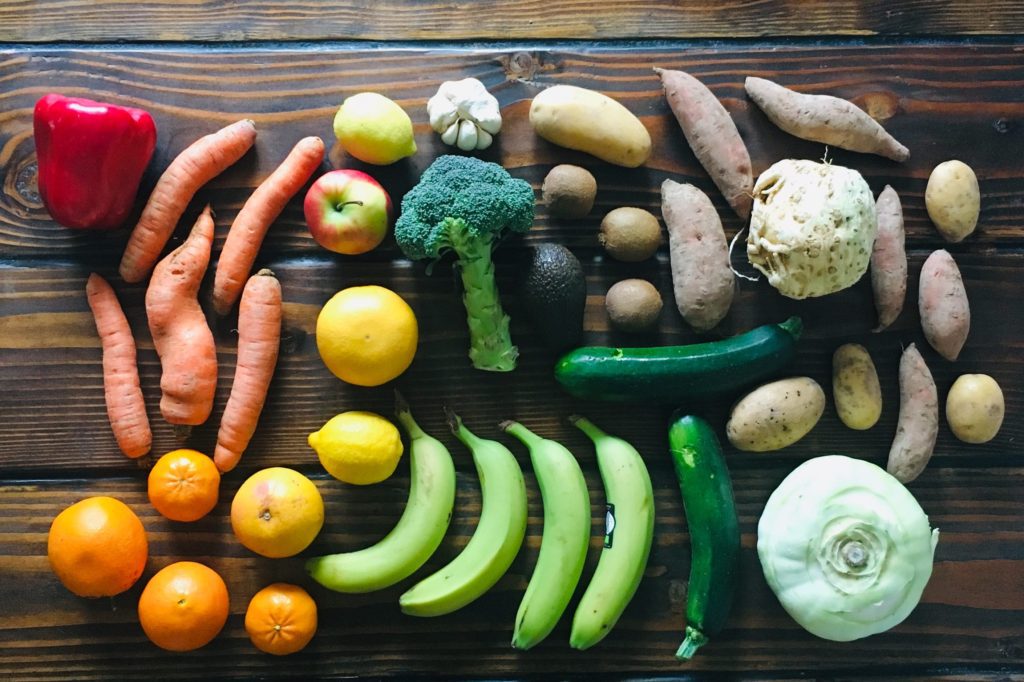
Buy more real food, then eat it. If you stock your kitchen with good ingredients, prep them so they’re ready to eat. Preparation is key. Plan your meals, take your list to the store, and stick to it. If you’re focusing on real, whole foods—fresh produce, quality meats, sourdough or fresh milled grains, and fermented foods—you’re giving your body the nutrients it’s asking for.
Learn new recipes with things you like. If you love spaghetti, try making it with fresh milled flour pasta or serve it alongside a big salad with fermented veggies. Make pancakes with freshly milled flour and local eggs. Find swaps that work for your family and still feel satisfying. Eating well shouldn’t feel restrictive—it should feel nourishing and enjoyable.
Do you have favorite recipes made with fresh milled flour or regeneratively raised meats? Let me know some! I’m always looking for new things to try.
I’m not an RD, but if you change any lifestyle, make sure to consult your healthcare provider to ensure you’re doing it safely and effectively.






One Comment