I sat on my bedroom floor completely disgusted. I stared at an entire bag of those delicious dark chocolate peanut butter cups… that was now empty. The first one tasted amazing, the second not quite as good—but I couldn’t stop. By the time I realized “just one more” meant there were none left, I thought, “Why did I just eat all of that?”
I was a fairly health-conscious person back then, but I hadn’t yet started my deep journey into holistic health—the one that eventually helped me ditch sugar and stop that cycle for good.
Does this sound familiar?
Maybe it’s happened to you. You’re cleaning up after supper and spot them: cookies. Those. Little. Devils. You eat one, two, maybe three… then go to bed feeling bloated and frustrated with yourself. Or maybe you’ve had a bad day. You’re upset, ready to hide in the closet, when you remember the cupcakes you made for your daughter’s Valentine’s party. You eat every last one. For a moment, you feel comfort—but soon after, your stomach churns, and the guilt sets in.
Sugar is Addictive
The British Journal of Sports Medicine once published a study that made waves: rats became more addicted to sugar than to cocaine. When the sugar was taken away, they even went through withdrawal.
Of course, there were plenty of people who argued sugar couldn’t possibly be addictive—but anyone who’s ever had late-night sugar cravings knows that pull all too well. I sure do.
From a biological standpoint, our ancestors needed quick energy from natural carbs to survive. But those carbs came in their natural forms—fruits, roots, and honey—full of vitamins, minerals, and fiber. Today, we’re surrounded by processed sugar hiding in everything from candy bars to salad dressings, and our bodies simply aren’t designed to handle that overload.
Sugar & Your Health
In the 1960s, studies started pointing fingers at salt as the big villain. Suddenly, every label bragged “low sodium.” But later, researchers discovered that the sugar industry had quietly funded many of those studies to steer attention away from sugar’s role in heart disease, obesity, and inflammation.
According to the American Heart Association (AHA), men should limit added sugar to 36 grams (9 teaspoons) daily, while women should stay under 25 grams (6 teaspoons). Flip over your favorite pasta sauce, and you might see 9 grams of sugar per serving—and that’s not even dessert!
If you love to “taste the rainbow,” you might also be tasting the beginnings of:
Fatty liver disease
Heart disease
Type II diabetes
Autoimmune disorders
Cancer
Depression
Obesity
Hidden Sugar Names
IIf you really want to stop eating sugar, you need to know how to spot it. Sugar hides under dozens of sneaky names:
Some of these may seem innocent enough, but they cause the same problems with little to no nutritional benefits. Although these alternatives still cause blood glucose spikes, they at least hold some nutritional benefits.
Coconut Palm Sugar
can be used 1:1 in baking recipes for regular sugar
Honey
may help with seasonal allergies too
Maple Syrup
this dark syrup also had vitamins and minerals thrown in!
Organic Cane Sugar, beet sugar, evaporated can sugar
if you’ve got a recipe you have to use sugar for, try to opt
Now, Stop the Cravings
6 Tips to Stop Eating Sugar and Crush Cravings
The goal is to keep your blood sugar balanced throughout the day. Doing this not only helps reduce sugar cravings, but also supports your immune system, hormones, and energy levels.
1. Stay Away from Added Sugar
It sounds simple, but sugar sneaks into everything—from “healthy” smoothies to salad dressings. Once I started cutting out added sugar, my cravings dropped drastically. Since going more plant-based and focusing on whole foods, I don’t even crave chocolate before bed anymore (which used to be a nightly thing!).
2. Read Labels Like a Detective
Those hidden sugars are everywhere. Once you commit to reading ingredients, you’ll start spotting them in nearly every packaged food. Knowing where sugar hides helps you make empowered choices—and finally ditch sugar once and for all.
3. Eat Whole Foods
Focus on real, nutrient-dense foods like fruits, vegetables, brown rice, and quinoa paired with healthy proteins. I swapped sandwiches for oat flour pancakes and veggie bowls, and noticed fewer afternoon crashes.
Lack of sleep makes your body crave quick energy—aka sugar and simple carbs. Aim for 7–8 hours of restful sleep each night. And here’s something I’m still working on: drink your (black or close to black) coffee after breakfast to help regulate cortisol and blood sugar.
5. Reduce Stress
Stress releases cortisol, which makes your body crave sugar to “feel good.” But that quick dopamine hit is followed by a crash. Instead of reaching for a cookie, try journaling, walking, deep breathing, or diffusing your favorite essential oils to calm your nervous system.
6. Start Your Day with Healthy Fats and Protein
Ditch the sugary cereals (even the “healthy” ones). Start your morning with real food that keeps you full and satisfied:
boiled eggs chopped up and put on avocado toast
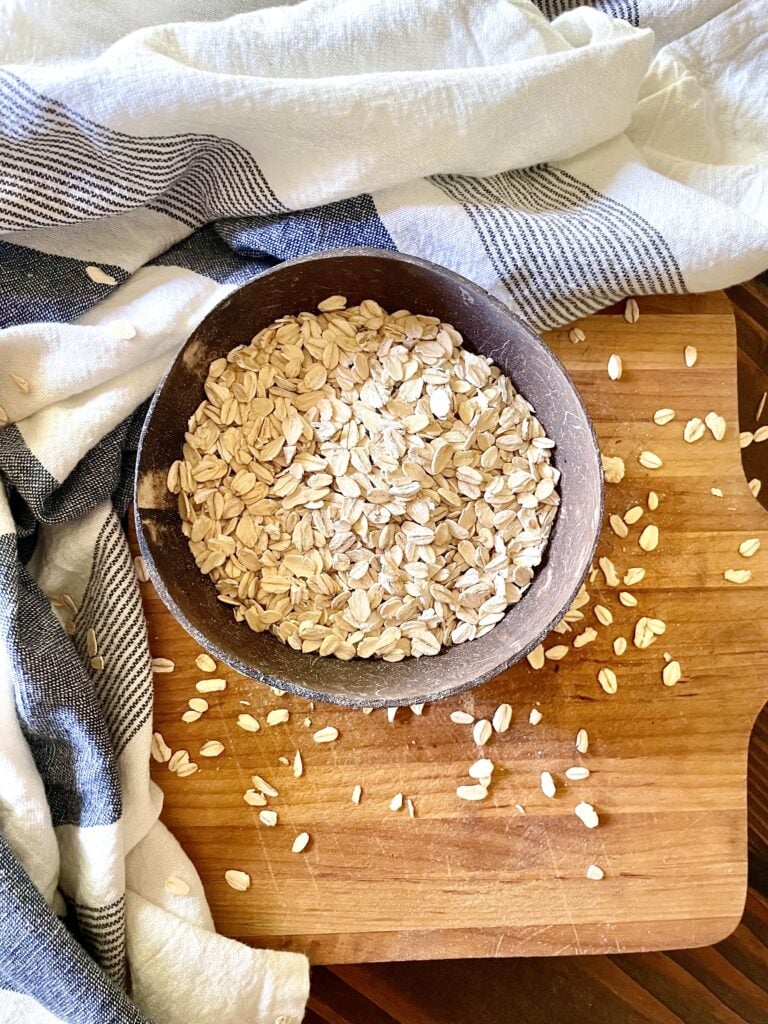
protein overnight oats topped with fruits and nuts (just add protein power to this overnight oat recipe)
egg and veggie burritos (you can make them over the weekend then keep them in your fridge and freezer)
Your 7-Day Ditch Sugar Challenge
I want to challenge you to go seven days without eating more than your recommended daily sugar intake. Read labels. Eat whole foods. Focus on balanced meals.
By the end of the week, you’ll probably feel more energized, clear-headed, and balanced—and your sugar cravings will be noticeably weaker.
Let me know if you’ve ever tried to stop eating sugar or if you’re starting your journey now—I’d love to cheer you on!