UPDATE: I now have a free essential oil guide for you! You can grab it here.
Lavender essential oil is one that everyone should have in their home. Its benefits range from medicinal to aromatic, and its gentle, calming scent makes it one of the most popular essential oils today.
You’ve probably encountered the scent of lavender in sleep lotions or relaxation blends — though many of those contain artificial fragrance, not true essential oil. Historically, lavender has been treasured for centuries: Egyptians used it for mummification and perfume, while Romans added it to their baths and cooking.
Let’s explore the many ways you can use lavender essential oil — some of them may surprise you!
Common Uses of Lavender
1. Accelerates Wound Healing
In the 1910s, a French chemist named Maurice-René Gattefossé accidentally burned himself in his lab and developed gas gangrene. To his surprise, applying lavender essential oil to the burn helped it heal quickly with minimal scarring.
During WWI, he even used lavender oil to help heal soldiers’ wounds — and that experience is what helped spark modern aromatherapy.
2. Possesses Antibacterial Properties
During the Black Death, people noticed that those living in an English village known for lavender trading didn’t get as sick or die as often.
Modern studies back this up, lavender essential oil contains antibacterial compounds, particularly monoterpenoids and monoterpenes. The higher the concentration, the stronger its bacteria-fighting abilities.
3. May Decrease Anxiety and Depression
Lavender’s relaxing scent is one of its best-known qualities. In one study, women who applied a blend of lavender and rose essential oils (2% dilution) for 15 minutes twice a week reported significantly less anxiety and depression by week four — especially postpartum women.
Try diffusing lavender before bed or blending it with rose for a relaxing body oil.
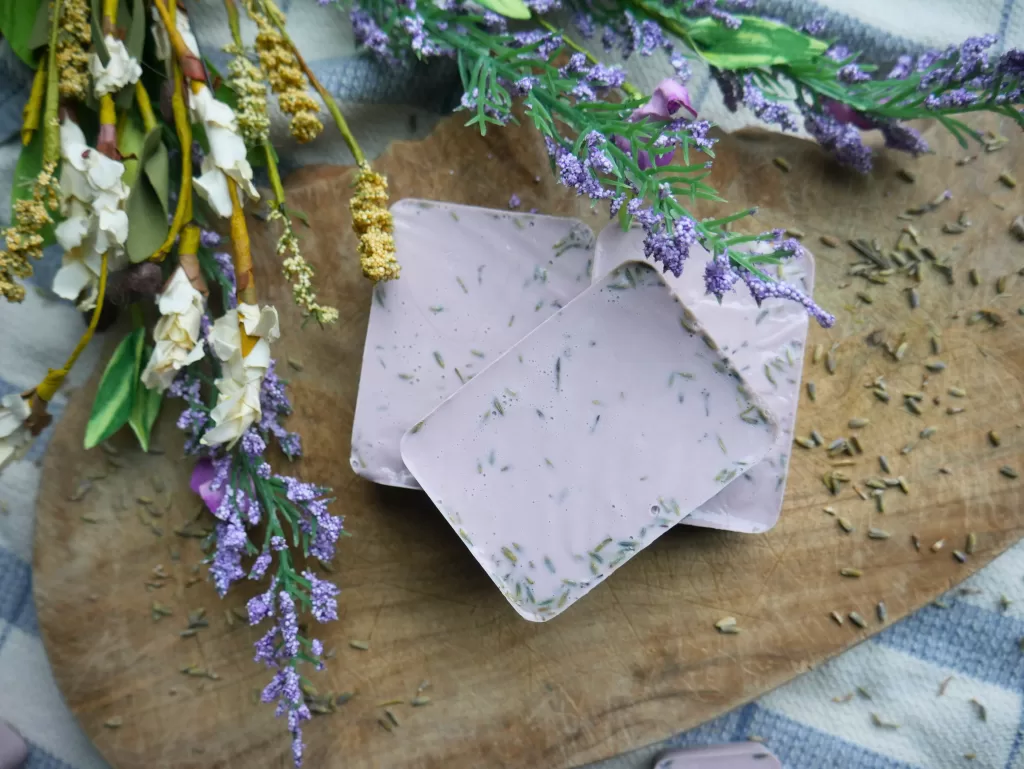
👉 If you love this use, check out my DIY Lavender Melt and Pour Soap — it’s calming, easy to make, and smells heavenly!
4. Reduces Dysmenorrhea (Menstrual Pain)
In a Turkish study, midwifery students who massaged lavender oil into their lower abdomen experienced less menstrual pain compared to those who didn’t.
You can try a similar approach by blending lavender oil with a carrier oil and massaging gently for menstrual comfort.
5. Helps Relieve Migraine Pain
A study published inEuropean Neurology found that people who inhaled lavender essential oil during a migraine experienced significant pain relief.
Try diffusing 3 drops of peppermint oil with 4 drops of lavender in your diffuser or a personal inhaler when a headache starts coming on.
How to Safely Dilute Lavender Essential Oil
Lavender is considered a mild essential oil, but dilution is still important — especially for long-term or daily use. Always start with the lowest effective dilution, and consider factors like skin sensitivity, pregnancy, breastfeeding, or medical conditions.
Here’s a quick guide:
6 months – 24 months: Avoid unless urgent. Use lavender hydrosol or the herb instead.
2–6 years old: 0.25% (1 drop per 4 tsp carrier oil). Hydrosols are still a great option!
6+ years old: 1% (1 drop per 1 tsp carrier oil). Also suitable for pregnancy, breastfeeding, or sensitive individuals.
Healthy adults: 2% (2–3 drops per 1 tsp carrier oil).
Short-term use: 3–5% (4–7 drops per 1 tsp carrier oil).
If a certified aromatherapist recommends a stronger dilution, follow their advice. Just be sure to get guidance from someone trained in essential oils.
Safe use matters — as essential oils gain popularity, so do reports of irritation and misuse. The more safely we use them, the more we protect access to these natural tools.
Want to Learn More About Essential Oils?
If you enjoyed learning about lavender, you might also love these posts:
And don’t forget to grab your FREE Essential Oil Guide — it’s packed with tips on how to use essential oils safely and effectively. 👉 Download it here!
Disclaimer: These statements and products have not been evaluated by United States Food and Drug Administration and are not approved to diagnose, treat, cure, or prevent disease. The information given is not intended as a substitute for advice from your physician or other health care professional.








One Comment