Kid Friendly Naturally Dyed Easter Eggs (Using Beets, Turmeric, Berries, & Onion Skins)
Easter (or Resurrection Day) is almost upon us! There are plenty of ways to dye Easter eggs or even decorate them. You can use temporary tattoos, modge podge tissue paper on, use store bought dyes, or even make your own dyes with things around your kitchen. If you have smaller kids like we do, less is best, to include the ingredients that are in what we’re using. That’s why we opted for real eggs and homemade dye to make naturally dyed easter eggs this year.
Resurrection Day is a time we remember Jesus’s resurrection from the tomb. It’s a beautiful time of year to be reminded of the renewal of life that we have in Him. I have also read where some associate the shell with representing His sealed tomb (which I thought was neat way to think about such a wholesome and healthy food!)
Pin this post for later!

Ratios for Naturally Dyed Easter Eggs
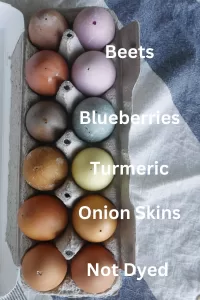
I have not tried all these colors or foods, but used what we had our in our kitchen. White eggs will cause a more vibrant and obvious color, whereas brown eggs will cause a darker, less apparent color. The girls and I dyed one of each to compare how they looked. In all of these we added 1.5 TBSP of white vinegar before dying our easter eggs.
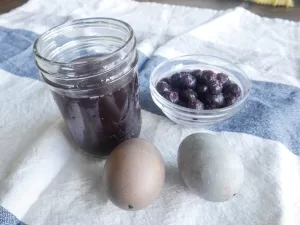
- Blue: boil 1 cup of blueberries in 1 cup water until a deep blue color develops in the water.
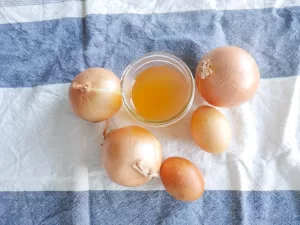
- Orange: boil the skins of 4 small onions in 1 cup of water. The color will only develop on white eggs and caused a deeper brown on our brown eggs (which you can see below)
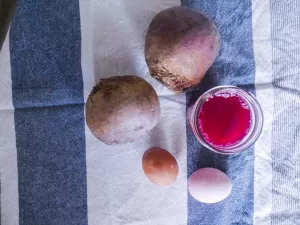
- Purple: boil 1 cup of thinly chopped beets in 1 cup of water.
- I saw online some people got more of a pink from beets, but we managed to get purple.
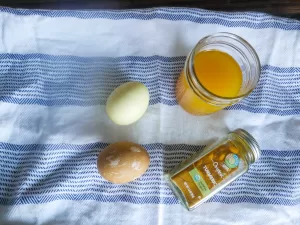
- Yellow: boil 1 cup of water with 2 TBSP of turmeric.
- Green: boil 1 cup of chopped purple cabbage with 1 cup of water. Turns out best when you use brown eggs.
Allowing your eggs to dry some then redipping them into your natural easter egg dye will help develop a deeper color! We left two eggs in the beets and blueberries overnight and they were less vibrant than the ones the girls kept redipping.
Which eggs work best for naturally dyed easter eggs?
We used our natural dye on a white and a brown egg to compare. We kept each egg in the dye for about 20 minutes. The ones we kept in the jars overnight turned out less vibrant than the ones we kept in the natural dyes. I was hoping putting them next to white would help their colors show a little better, but the light still made some of them duller than they are in person.
Onion skins
Beets
Blueberries
Turmeric
Are there any foods or spice you’ve tried for naturally dying your easter eggs with? Let me know below so we can try them one year!!
Also, if you’re looking for a more eco-friendly and toxin free Easter this year, check out my post where I give suggestions on how to ditch plastic for your kids’s easter baskets!