How to Store Wheat Berries for Long Term Food Storage
Storing wheat berries long-term is one of the best ways to make sure you always have fresh grains on hand for baking, cooking, or emergency preparedness. Whole grains like wheat berries are packed with nutrients and, when stored right, they last for years, sometimes even decades. Whether you’re stocking up on hard red wheat, soft white wheat, or ancient grains like einkorn, proper storage helps keep that nutty flavor and nutrition intact.
When I first started milling, we lived in an apartment. I wanted to store wheat berries both for the health benefits and for emergency preparedness. Back then, I ordered from Azure Standard and we lived close to their warehouse, which meant no shipping fee (unlike now with the 8.5%). I could buy smaller bags, usually 10–25 lbs instead of the 50 lb bags I get now. I went through the grain quickly and didn’t worry much about bugs or rodents. Now that we live out in the country and I buy in bulk, both of those can definitely be an issue.

Why Store Wheat Berries Long-Term?
Whole wheat berries are one of the best options for long-term food storage because they’re unprocessed and still have all parts of the grain intact. That means they hold onto their nutrients, flavor, and chewy texture until you’re ready to mill them into fresh flour. When stored properly, wheat berries can last for decades, giving you peace of mind in uncertain times and a reliable source of fresh flour anytime. Plus, milling your own flour means you’re always getting the freshest, most nutritious flour possible.
Best Storage Solutions for Wheat Berries
One quick tip: if you can, freeze your wheat berries for a day or two before storing them long-term (I’ve even left them out in the garage in winter). This helps kill off any bugs that might be hiding in the grain. Even with airtight containers and 5-gallon buckets, we’ve had weevils show up before and they were a pain to get rid of. If you can’t freeze your grain, be sure to store it with oxygen absorbers and a tight seal so you don’t end up dumping 5 gallons of grain like I did once.
- Airtight Containers: Keeping your wheat berries airtight is key. It prevents moisture, mold, and bugs from sneaking in and ruining your grains.
- Oxygen Absorbers: These little packets create an oxygen-free environment that extends shelf life, especially handy for bulk storage.
- 5-Gallon Food-Grade Buckets: I love these for bulk storage. Use gamma seal lids so you can easily open and close them without breaking the airtight seal. You can find food-grade buckets and gamma lids at places like Tractor Supply (that’s where we got ours), or you can order them from Azure Standard if you’re already shopping for grains.
- Glass Jars and Mason Jars: For smaller quantities, glass jars with airtight lids work great. I like keeping some in the kitchen for easy access while my bulk grain stays in long-term storage.
- Resealable Mylar Bags: Pair Mylar bags with oxygen absorbers and store them in buckets or on their own. They’re excellent at keeping out air, moisture, and light.
Ideal Storage Conditions for Wheat Berries
To get the longest life out of your wheat berries:
- Cool Temperatures: Store below 60°F if possible. A cool basement, cellar, or closet works well.
- Dry Environment: Moisture is the enemy. Keep grains away from humidity to prevent mold.
- Dark Space: Avoid direct sunlight since light and heat can reduce quality over time.
- Tight Seals: Make sure lids and seals are secure to keep pests and air out.
Where to Buy Wheat Berries
Depending on where you are located will depend on where you can get wheat berries.
Locally: Some local co-ops, Amish, or Mennonite stores may have them where you live. Another option maybe a local health food story or natural grocery stores in your area. Call ahead to see if they stock them if, like me, it would be a drive to get there.
Online: Surprisingly, Amazon does have wheat berries. I am always cautious of buying from them though since I worry about storage practices if it comes from an Amazon Warehouse. Other great options include Grand Teton Ancient Grains, Azure Standard, Country Life Foods, or Mock Mill.
Types of Wheat Berries (and Other Grains) to Store

Hard Red Wheat
Has a hearty, rich flavor and higher protein, making it perfect for yeast breads and whole wheat recipes.
Hard White Wheat
My go-to for everyday baking. It has plenty of gluten for structure but a milder flavor than hard red wheat.
Soft White Wheat
Great for cookies, cakes, muffins, and quick breads. It’s softer and lower in gluten, giving a tender texture.
Einkorn
One of the oldest heirloom wheats with less gluten and easier digestion. I use it for quicker recipes that don’t need fermentation.
Spelt
A nutty, heirloom grain that works beautifully in both sourdough and traditional baking.
Kamut
A non-hybridized ancient grain full of vitamins, minerals, and antioxidants with a naturally buttery flavor.
Rye
Lower in gluten and rich in fiber, rye gives bread an earthy flavor and a hearty texture.

Oats
A pantry staple I buy in bulk. They’re budget-friendly and perfect for breakfast or baking.
Popcorn
We use it for snacking and milling into cornmeal for fresh, homemade cornbread.
Buckwheat
Not actually wheat, but it can be milled just like other grains. It’s naturally gluten-free and has a light, nutty flavor that’s great in pancakes and waffles.

Once you’ve stocked up on wheat berries, it’s time for the fun part — baking! Here are a few of my favorite fresh milled flour recipes.
- fresh milled biscuits
- sourdough discard crackers with freshly milled flour
- no refined sugar cookies with fresh milled flour
- fresh milled flour gingerbread cookies
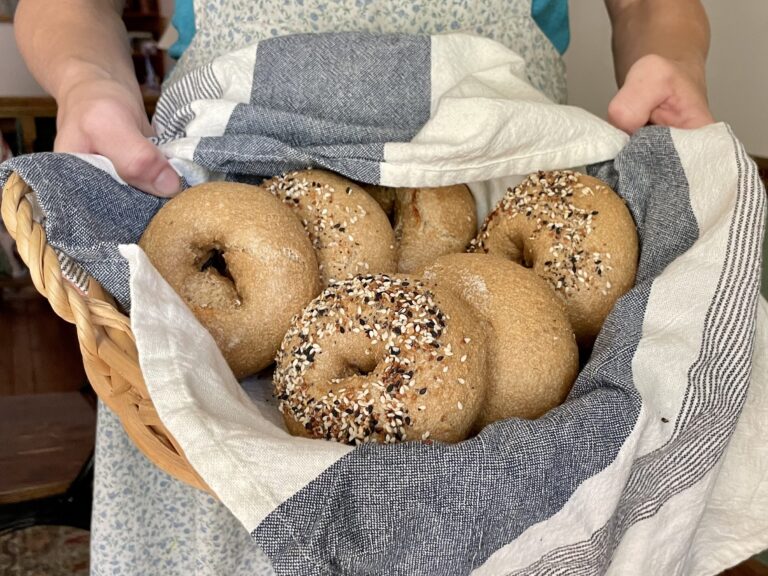
- homemade sourdough bagels with fresh milled flour
Long-Term Storage Tips
- Store in Large Quantities: You can save money by purchasing from suppliers like Grand Teton Ancient Grains, Azure Standard, or Country Life Foods to save on cost.
- Use Gamma Seal Lids: They make it easy to access your grains without losing the airtight seal.
- Rotate Your Stock: Even though wheat berries last for years, it’s best to use and replace them regularly to keep everything fresh.

Why Choose Wheat Berries for Emergency Preparedness?
Wheat berries have a long shelf life, high nutritional value, and can be used in so many ways, which makes them a great addition to any emergency food plan. In times of crisis, they’re a reliable source of energy and nutrients. When stored properly, they can last as long as grains found in ancient tombs, which definitely gives peace of mind.
Storing wheat berries long-term is one of the best ways to make sure you always have access to fresh grains and whole wheat flour. With airtight containers, oxygen absorbers, and the right storage conditions, your wheat berries can stay fresh for decades. Whether you’re preparing for emergencies or simply enjoy the benefits of milling your own flour, this is one of those practical and healthy habits that pays off in the long run. So stock up, store smart, and enjoy the taste and nutrition of freshly milled grains for years to come.